June 25, 2025
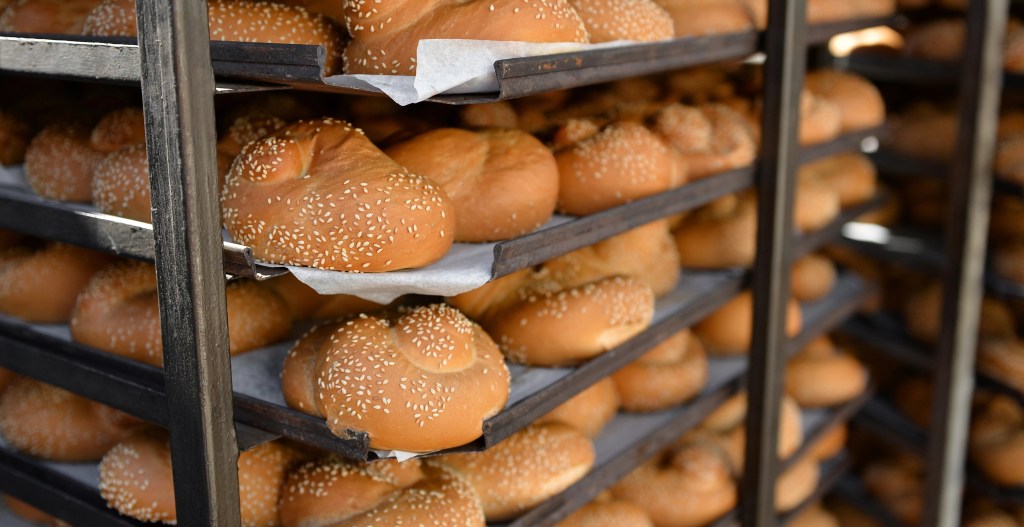
Struggling with inconsistent bread rising in your bakery? Discover 5 proven proofing cabinet methods that give you professional-quality results every time.
You know that moment when you walk into your bakery at 5 AM and half your overnight dough looks perfect while the other half is… questionable?
I’ve been there. Last winter, I was helping my friend Mike troubleshoot his new bakery operation, and his biggest headache wasn’t the ovens or mixers – it was getting consistent proofing. One batch of sourdough would be gorgeous, the next would be sluggish and flat. Customers started noticing the inconsistency, which is exactly what you don’t want when you’re building a reputation.
“The problem,” he told me while staring at yet another uneven batch, “is that I’m basically guessing every time. Temperature changes, humidity shifts, seasonal variations – it’s like I’m fighting the weather instead of making bread.”
That’s when we dug into what actually makes proofing predictable in a commercial setting. Because here’s the thing – successful bakeries don’t leave rising to chance.
1. Invest in a Professional Proofing Cabinet
This is where serious bakery operations separate themselves from the struggling ones. You need equipment that gives you complete control over your proofing environment.
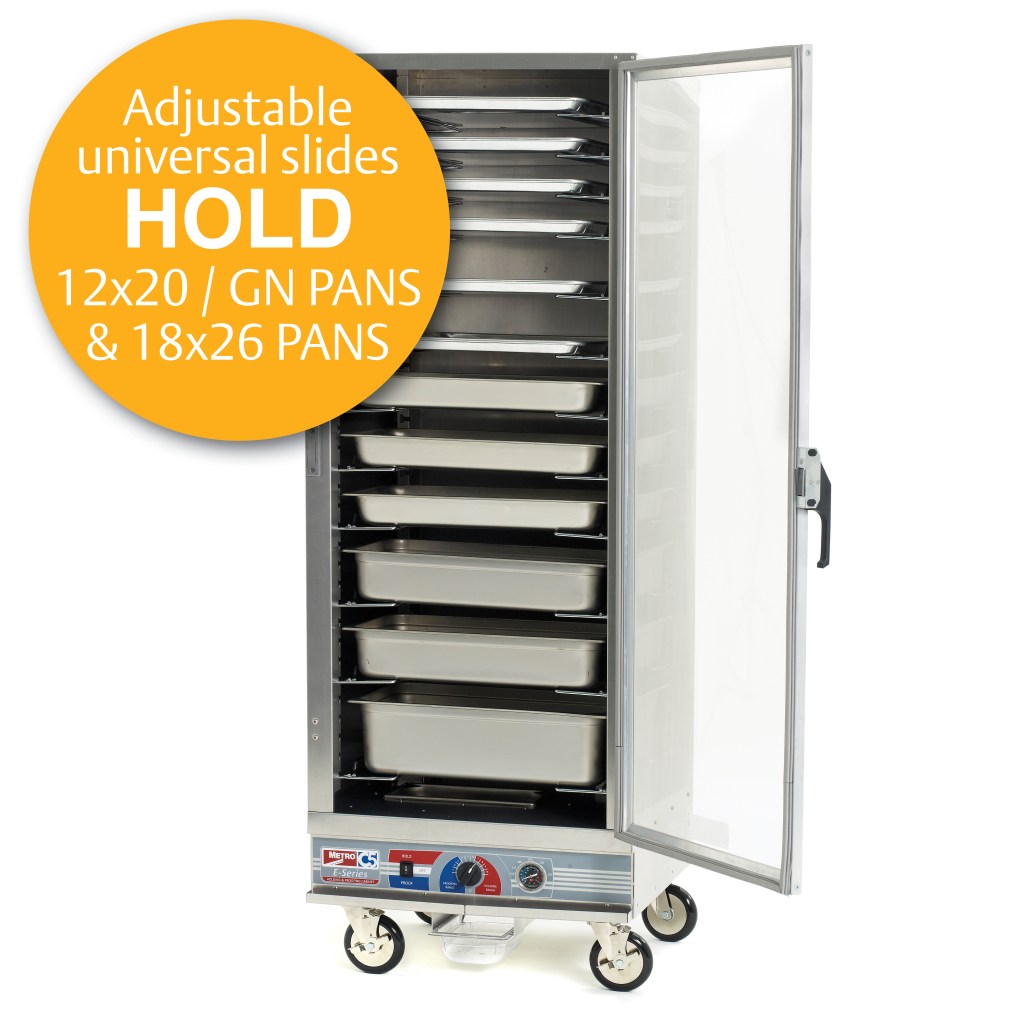
What I’ve seen work incredibly well in commercial kitchens are units like the Metro C5 E-Series Non-Insulated Holding and Proofing Cabinet. These maintain that crucial 80-85°F temperature range consistently, while controlling humidity levels so you don’t get skin formation on your dough surfaces.
The adjustable shelves are a game-changer when you’re running multiple product lines – croissants on one level, bread loaves on another, pizza dough on a third. Mike upgraded to one of these about six months ago, and his consistency issues basically disappeared overnight. Every batch rises exactly the same way, which means predictable baking schedules and consistent product quality.
When you’re doing volume, that reliability is worth its weight in gold.
2. Zone Your Proofing Areas
Smart bakeries create dedicated temperature zones throughout their space. Find the naturally warm spots in your kitchen – near the ovens, around equipment that generates heat, areas with good insulation.
I’ve seen operations use these microclimates strategically. Faster proofing near the ovens for rush orders, cooler spots for slower fermentation. The key is mapping your space and understanding where temperatures stay most consistent.
Mike actually keeps a temperature log of different areas throughout his bakery. Sounds obsessive, but it lets him place dough strategically based on timing needs.
3. Master Overnight Proofing Logistics
This one’s crucial for bakeries doing early morning production. You need systems that work when you’re not there to babysit.
Retarder-proofers are the gold standard here, but even without specialized equipment, you can create reliable overnight conditions. Some operations use insulated areas with controlled heating elements, others work with walk-in coolers that can be adjusted for slow fermentation.
The trick is building buffer time into your schedules. If something proofs faster or slower than expected, you need flexibility to adjust baking times without throwing off your entire morning routine.
4. Develop Backup Proofing Systems
Equipment fails. Power goes out. Your main proofing cabinet breaks down during your busiest season. Smart bakeries have contingency plans.
I’ve seen operations use everything from modified warming drawers to strategically placed heat lamps. The goal isn’t perfection – it’s maintaining enough consistency to keep production moving while your primary systems get fixed.
One bakery I know keeps a few portable proofing boxes specifically for emergencies. Not ideal for daily use, but they’ve saved more than one busy weekend when their main equipment went down.
5. Monitor and Document Everything
Here’s what separates successful bakery operations from struggling ones – they track their proofing data religiously. Temperature logs, timing charts, humidity readings, seasonal adjustments.
It sounds tedious, but this data becomes incredibly valuable. You start seeing patterns, predicting problems before they happen, making adjustments based on weather or seasonal changes.
Mike now knows exactly how his dough behaves in different conditions. Winter adjustments, summer modifications, rainy day protocols – it’s all documented. That knowledge lets him maintain consistency even when conditions change
Look, proofing consistency isn’t magic – it’s systems and equipment working together reliably. Whether you’re starting a new bakery or trying to improve an existing operation, focus on the fundamentals first.
Get your temperature control sorted out, develop reliable processes, and document what works. Every bakery has different challenges, but the principles stay the same.
The operations that thrive are the ones that make proofing predictable. Everything else builds from there.
 HardGearHub
Leave a comment