June 25, 2025
Discover the commercial-grade techniques professional bakers use to keep bread fresh, soft, and delicious—so every loaf is as perfect as the first.
Running a bakery means every loaf counts. You pour time, money, and energy into your product—so nothing stings more than seeing yesterday’s beautiful bread turn rock-hard on the shelf. Whether you’re running a full bakery, a farmers market stand, or supplying a local café, freshness isn’t just a detail—it’s the difference between repeat customers and wasted product.
Here’s how the most successful bakeries keep their bread fresher, longer—and how you can do the same without adding hours to your day.
1. Perfect the Cool-Down Process
Before packaging or displaying bread, let it cool completely on a wire rack. In a commercial setting, this can be tough when you’re on a schedule—but trapping steam inside packaging too soon guarantees soggy crusts or early spoilage. Cooling also helps maintain a consistent texture, which is key for customer satisfaction.
Pro tip: Invest in cooling racks that allow airflow from all sides—essential for high-volume bakeries.
2. Match Your Storage to the Bread Type
One size does not fit all when it comes to bread storage. Soft sandwich loaves need moisture retention, while crusty artisan breads benefit from airflow. Knowing which bread needs what can drastically reduce product loss.
- Crusty breads: Use breathable bread bags or bread boxes.
- Soft loaves and buns: Store in airtight containers or plastic—but only once fully cooled.
3. Upgrade to Professional Holding Solutions
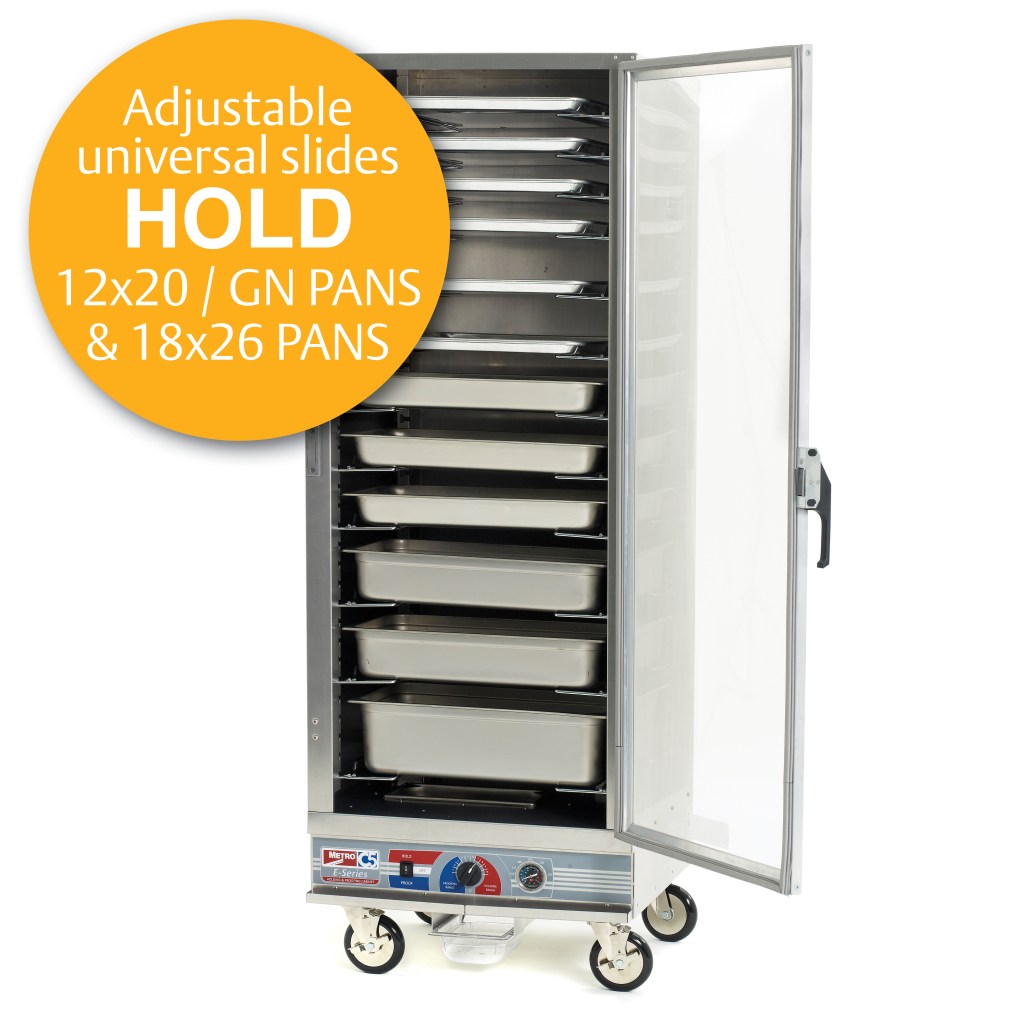
If you’re serious about quality and volume, it’s time to think beyond plastic wrap and countertop bins. Many bakeries now rely on commercial holding and proofing cabinets like the METRO C5 E-Series, which offer precise temperature and humidity control—the key to keeping bread soft, warm, and ready for sale.
This equipment isn’t just for big operations anymore. Even home-based bakeries and micro-batch shops are investing in this level of control to boost product consistency and extend shelf life.
4. Use the Freezer Strategically
4. Use the Freezer Like a Pro
If you’ve got leftover inventory, don’t let it sit out hoping for sales. Instead, freeze bread while it’s still fresh. This preserves texture and flavor for later use.
- Freeze whole loaves or pre-sliced (if for sandwiches).
- Wrap in plastic, then foil or freezer-safe bags.
- For retail, label with the freeze date to ensure freshness rotation.
Reheating? A few minutes in the oven or toaster restores that fresh-baked feel.
5. Revive Day-Old Bread for Continued Sales
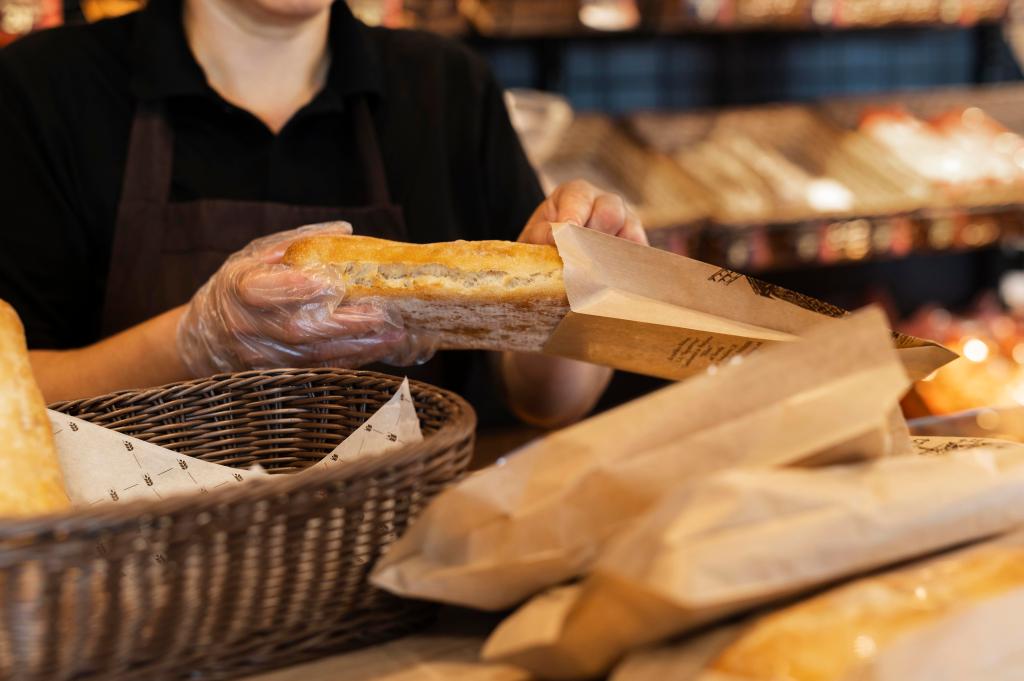
Don’t toss slightly stale loaves—revive them and keep them on the menu. Lightly mist the crust with water and heat in a 350°F oven for 5–10 minutes. The steam refreshes the interior while the oven re-crisps the crust.
This simple trick can stretch your inventory and save money—especially valuable for early-week sales or low-traffic periods.
6. Control the Bakery Environment
Humidity and airflow matter more than most people think. If you’re in a humid area, mold is your enemy. In a dry climate, staleness comes fast. Adjust your storage and equipment use accordingly.
- Use holding cabinets or dehumidifiers in overly damp environments.
- In dry shops, keep breads covered with slight moisture retention.
Monitoring your bakery’s microclimate pays off in longer shelf life and happier customers.
Bottom Line:
Fresh bread shouldn’t be a race against the clock. With a few commercial-grade adjustments—better cooling, smarter storage, and the right equipment—you can deliver thatfind what works best for you. But these fundamentals will get you started on the right track.
 HardGearHub
Leave a comment