June 25, 2025
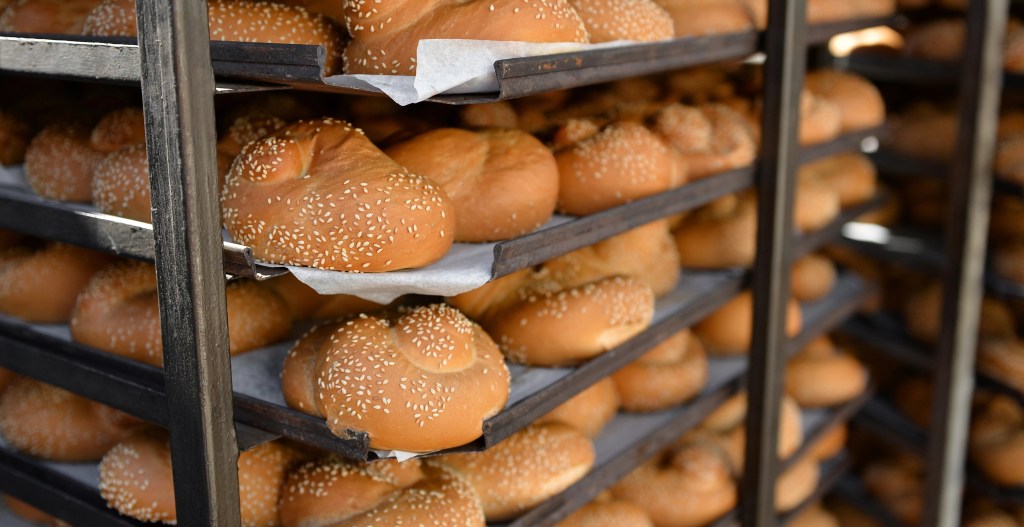
Don’t waste money on the wrong commercial bread warmer. Learn the mistakes that cost bakeries and restaurants thousands when choosing bread warming equipment.
Look, there’s nothing worse than watching customers walk past your beautiful artisan breads because they’ve gone cold and uninviting. You’ve spent hours perfecting your recipes, your baking technique is on point, but then your bread sits there losing that fresh-baked appeal because your warming setup isn’t cutting it.
If you’re running a bakery, café, or restaurant that takes bread seriously, you know that keeping baked goods at the perfect serving temperature is absolutely crucial. But here’s where so many operators mess up – they think any commercial food warmer will do the job. Spoiler alert: it won’t.
Bread has unique requirements that generic warming equipment just can’t handle properly. Here are the costly mistakes you need to avoid:
1. Choosing Equipment That Doesn’t Understand Bread Science
This is probably the biggest mistake bakeries make. You grab a standard commercial bread warmer thinking “warm is warm,” but bread needs specific conditions to maintain quality. Too much heat and your crusty sourdough turns into leather. Too much humidity and your croissants go soggy.
Most generic bread warmers are designed for holding prepared foods like casseroles or proteins – completely different requirements than what your baked goods need. You want equipment that can maintain gentle, consistent warmth without over-drying or creating condensation.
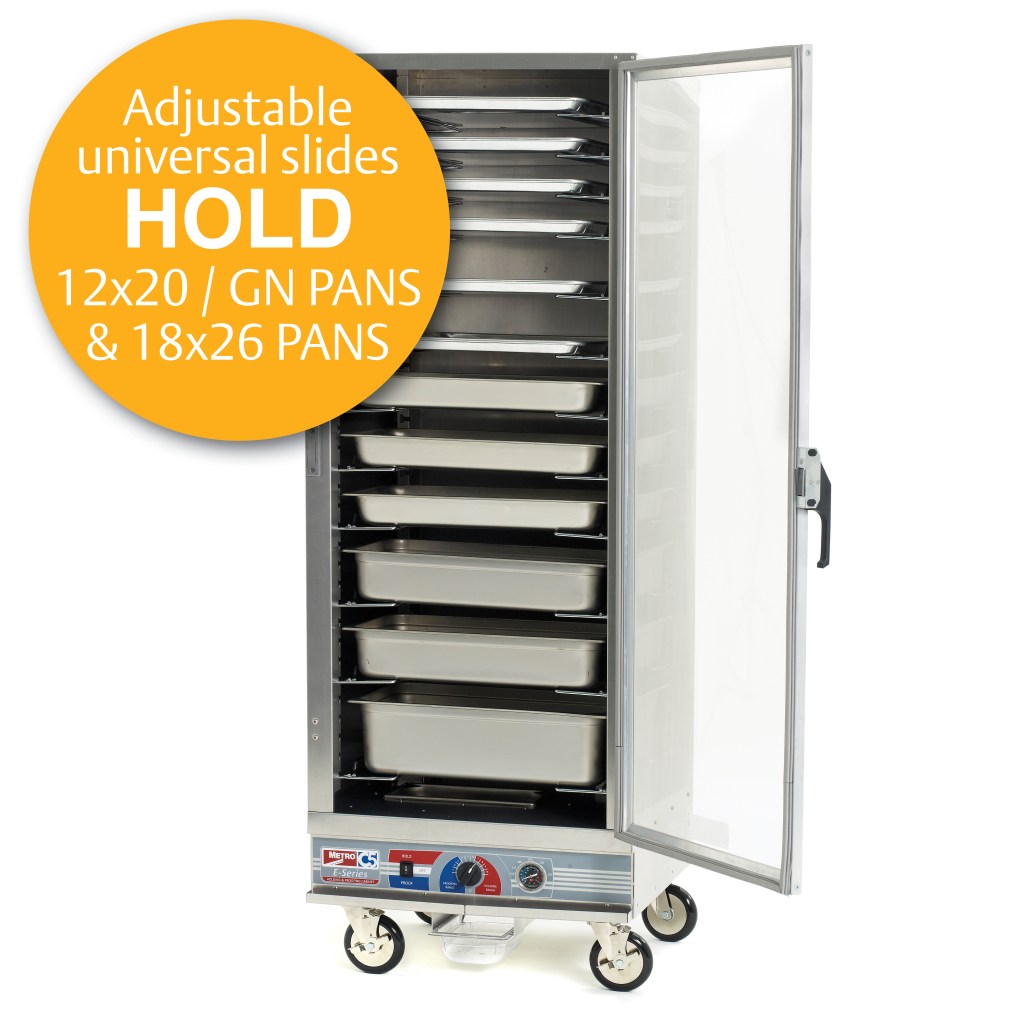
Many successful bakeries have found great results with versatile equipment like the METRO C5 E-Series Non-Insulated Holding and Proofing Cabinet with Adjustable Universal Slides because it offers precise temperature and humidity controls that work well for different types of baked goods. The key is finding something that gives you the flexibility to create different environments for different products.
2. Ignoring Display vs. Storage Needs
Here’s something that trips up a lot of operators – you need to think about whether you’re displaying bread for customers or just storing it temporarily. A warming cabinet tucked away in your kitchen serves a completely different purpose than a front-of-house display warmer.
If customers can see your bread, presentation matters just as much as temperature. You want something that showcases your products while keeping them at optimal serving temperature. But if you’re just holding bread between baking cycles or for service prep, functionality trumps aesthetics.
3. Not Considering Your Bread Variety
This mistake will drive you crazy once you realize it. Different types of bread need different holding conditions. Your crusty baguettes need one environment, your soft dinner rolls need another, and your pastries? That’s a whole different story.
Some breads benefit from a slightly humid environment to prevent staleness, while others need dry heat to maintain their crispy exterior. If you’re offering a diverse bread menu, you might need multiple warming zones or adjustable settings to handle everything properly.

4. Overlooking Size and Capacity Planning
You’d be surprised how many bakeries underestimate their warming capacity needs. You’re thinking about your current production, but what happens during your busy weekend mornings? Or when you add that new artisan line you’ve been planning?
Consider not just how many loaves you need to hold, but the size and shape variations. Those long baguettes take up way more space than dinner rolls, and don’t even get started on oddly-shaped artisan breads. Make sure your commercial food warmer can handle your actual product mix, not just your bread count.
5. Forgetting About Workflow Integration
This one’s huge, especially during busy periods. Your warming equipment needs to fit seamlessly into your production and service flow. If your bakers can’t easily transfer fresh bread from ovens to warmers, or if service staff struggle to access products quickly during rush periods, you’ve created a bottleneck.
Think about where warm bread fits into your operation. Are you holding it briefly between baking and service? Keeping it warm for extended display periods? The answers should drive your equipment choice and placement decisions.
Here’s the reality – bread is finicky. It’s not like other foods that just need to stay hot. Your baked goods need specific conditions to maintain that fresh-from-the-oven quality that keeps customers coming back.
Don’t make the mistake of treating bread warming as an afterthought. Your commercial food warmer choice can make or break the customer experience with your baked goods. Invest in equipment that understands what bread needs – gentle, consistent warmth with proper humidity control and good air circulation.
Take time to really evaluate your specific bread offerings, production volume, and service style before making a decision. Talk to other successful bakeries about their warming setups. What works for a high-volume production bakery might be overkill for your neighborhood café, but whatever you choose, make sure it’s designed to keep your bread as appealing as when it first came out of the oven.
Your customers will definitely taste the difference.
 HardGearHub
Leave a comment