June 25, 2025

Temperature control food safety isn’t optional. Learn the critical mistakes that shut down restaurants and how proper equipment prevents costly disasters.
Here’s something that honestly terrifies me about the food service industry – how many operators treat temperature control like it’s just another guideline instead of a life-or-death safety protocol. You see it everywhere: restaurants with holding equipment that’s clearly not maintaining proper temps, staff who don’t know what the danger zone actually means, and managers who think “close enough” is acceptable when it comes to food safety.
The thing is, temperature control food safety failures don’t just result in failed health inspections. They destroy businesses, hurt people, and create legal nightmares that can follow you for years. And the really frustrating part? Most of these disasters are completely preventable with the right equipment and procedures.
1. The Danger Zone Isn’t Negotiable
Let’s get one thing straight – the temperature danger zone between 40°F and 140°F isn’t a suggestion. It’s based on decades of research showing that harmful bacteria multiply rapidly in this range. We’re talking about bacteria doubling every 20 minutes under the right conditions.
You might think your food looks fine, smells fine, even tastes fine, but that doesn’t mean it’s safe. Pathogenic bacteria don’t always change the appearance or flavor of food, which is exactly why temperature control is so critical. You can’t see, smell, or taste your way to food safety.
2. Why Basic Equipment Creates Safety Risks
This is where a lot of operations get into trouble. You install commercial food holding equipment and assume it’s maintaining the temperatures shown on the display. But many units have significant temperature variations throughout different zones, creating pockets where food sits in the danger zone even when the main sensor reads safe temperatures.
Equipment that can’t maintain consistent temperatures across all areas isn’t just inefficient – it’s dangerous. Hot spots might overcook food while cold zones allow bacterial growth. Neither scenario is acceptable when you’re responsible for customer safety.
3. Invest in Reliable Temperature Control Systems
When it comes to food safety, your equipment choice can make or break your operation. You need holding cabinets that maintain precise, consistent temperatures throughout the entire unit, not just at one sensor location.
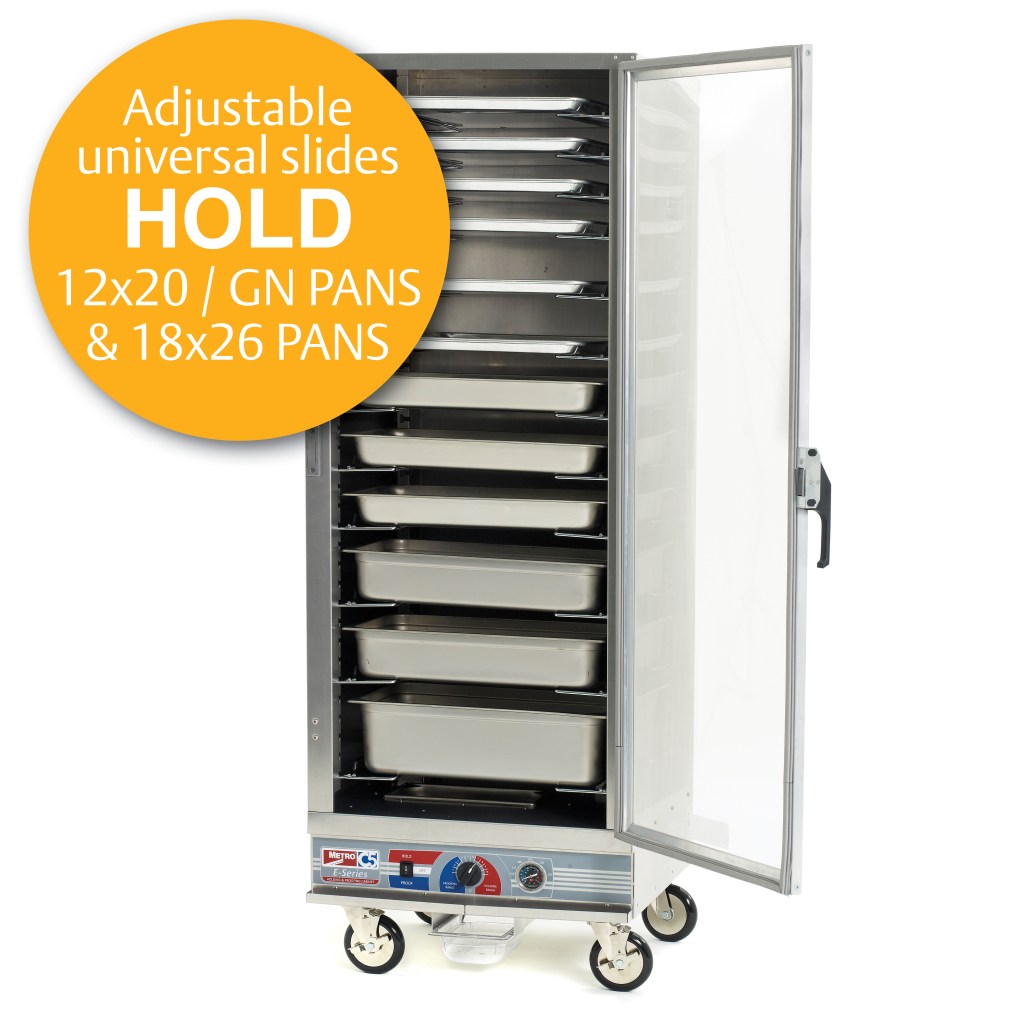
Many professional kitchens choose equipment like the METRO C5 E-Series Non-Insulated Holding and Proofing Cabinet with Adjustable Universal Slides because it’s engineered for consistent temperature control across all zones. When customer safety is on the line, you want equipment that eliminates guesswork and maintains safe holding temperatures reliably.
4. Monitoring and Documentation Save Your Business
Here’s what separates professional operations from amateur ones – systematic temperature monitoring and documentation. You should be checking and recording temperatures multiple times throughout service, using calibrated thermometers to verify your equipment readings.
This documentation isn’t just busy work. During health inspections, it demonstrates your commitment to food safety. More importantly, it helps you identify equipment problems before they create safety issues. Consistent monitoring can catch failing equipment early, preventing potential disasters.
5. Staff Training Makes Equipment Effective
The best temperature control equipment in the world won’t protect your customers if your staff doesn’t understand proper procedures. Everyone handling food needs to know safe holding temperatures, how to check them accurately, and what actions to take when readings are out of range.
Don’t assume food safety knowledge is common sense. Train specifically on temperature protocols, including emergency procedures for equipment failures or power outages. Your staff should be able to respond quickly and correctly to protect food safety under any circumstances.
6. Emergency Preparedness Prevents Disasters
Equipment fails, power goes out, unexpected situations arise. Your food safety protocols need to account for these realities. What’s your plan when primary temperature control systems fail? How quickly can you implement backup procedures?
Having clear emergency protocols can mean the difference between a minor inconvenience and a major food safety incident. This includes knowing when to discard food that’s been in unsafe temperature ranges, having backup equipment available, and maintaining relationships with emergency suppliers if needed.
The bottom line is this – temperature control food safety isn’t an area where you can afford to cut corners or hope for the best. The consequences of failure are too severe, and the solutions are too straightforward to justify taking risks.
Your reputation, your business, and most importantly, your customers’ health depend on maintaining proper food temperatures consistently. This means investing in reliable equipment, training your staff thoroughly, monitoring temperatures systematically, and having backup plans for when things go wrong.
Yes, proper temperature control requires investment and attention to detail. But compare that cost to the potential consequences of getting it wrong – health department violations, lawsuits, lost customers, or worse. The choice should be obvious.
Take temperature control seriously from day one. Your customers trust you to serve them safe food, and that trust is the foundation everything else is built on. Don’t compromise it by cutting corners on something this fundamental.
 HardGearHub
Leave a comment